
Residential construction · Denver Metro
Denver General Contractor
A well-managed project connects the plans, people, materials, and decisions. Your general contractor brings those moving parts into a coordinated construction process.
- Construction coordination
- Trade and material scheduling
- Job-site oversight
- Scope and change coordination
- Remodel and addition management
Define responsibility before construction begins
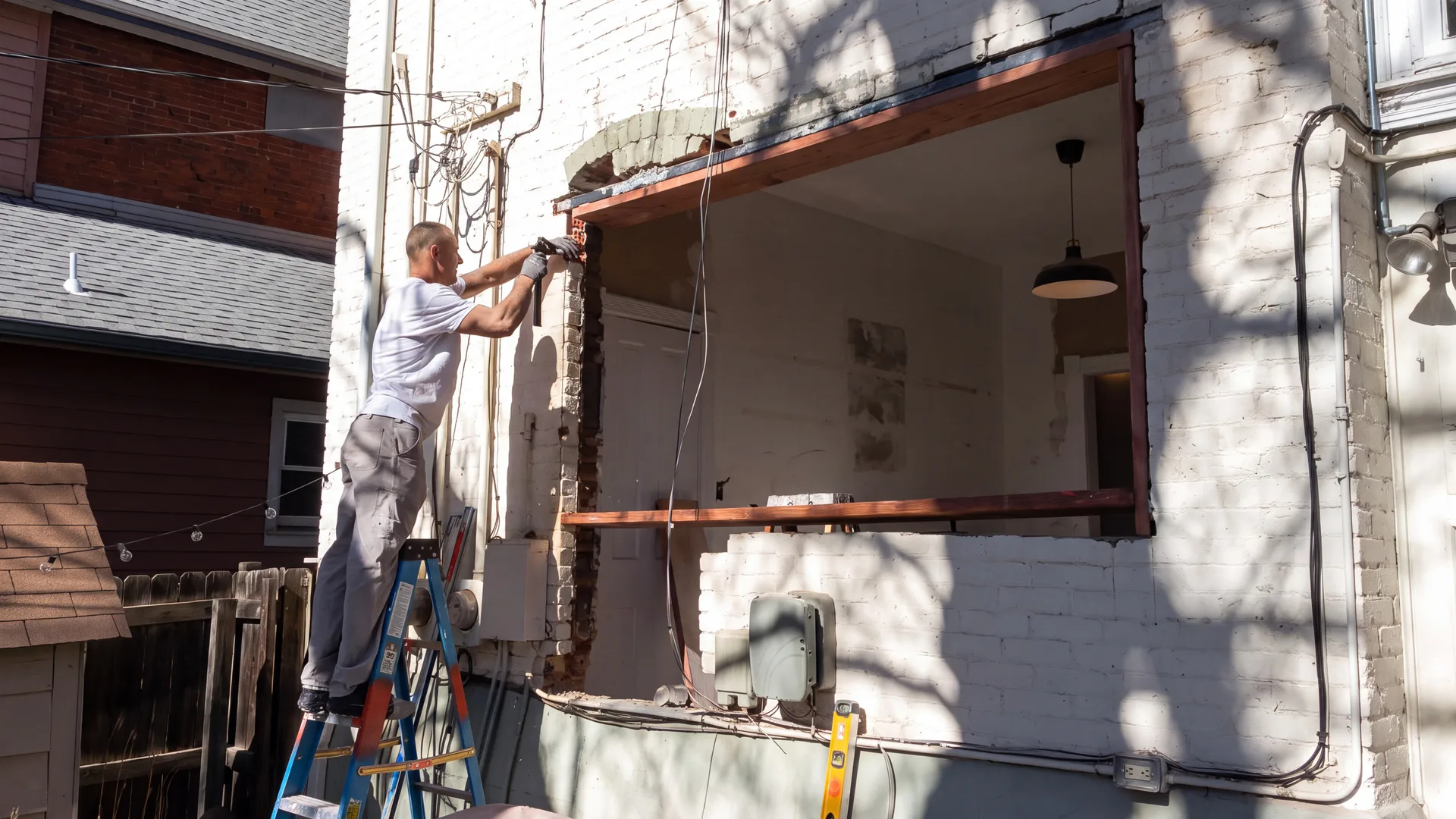
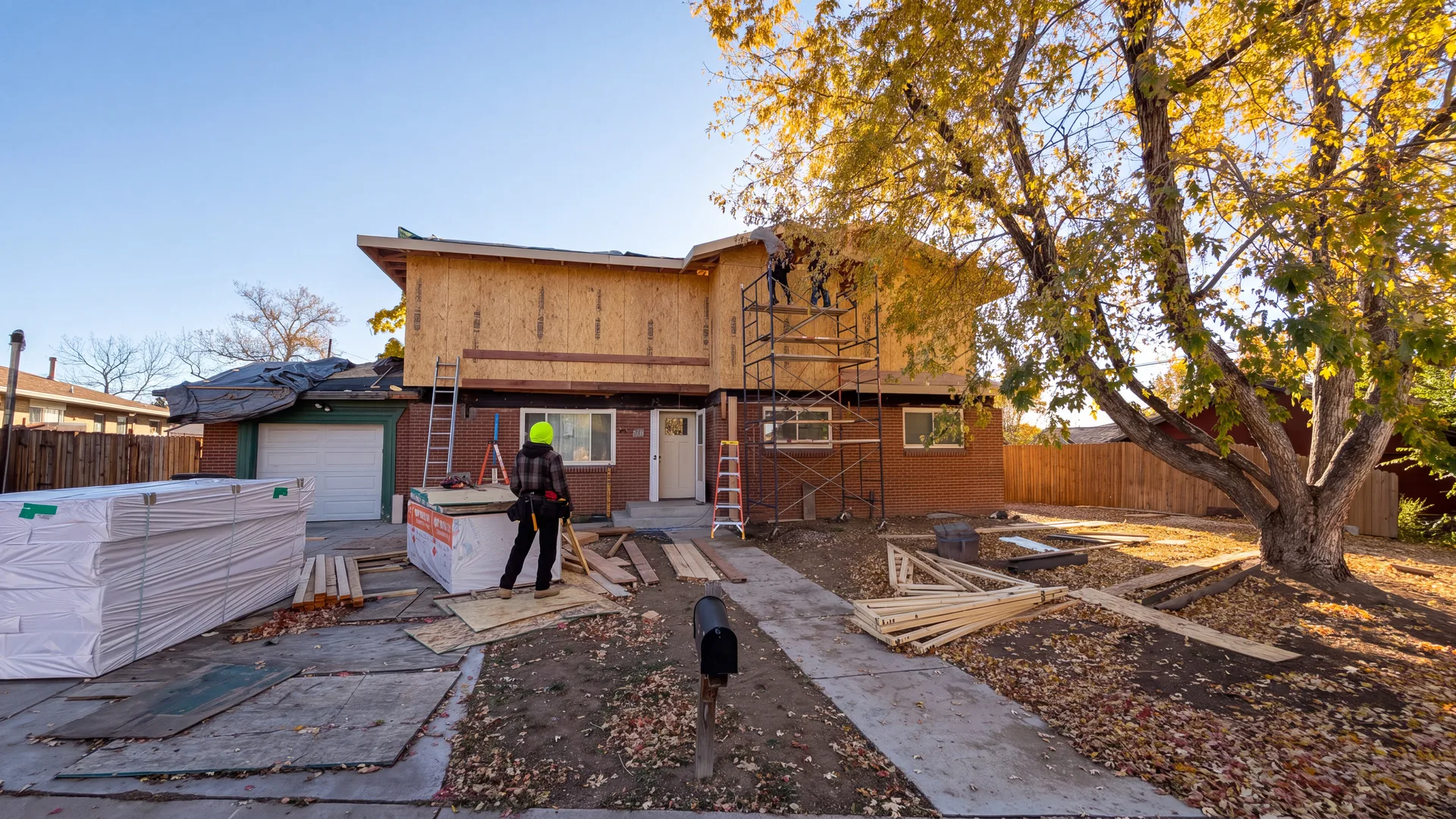
A project can involve designers, engineers, specialty trades, suppliers, inspectors, and utility providers. Establish who coordinates each part and who makes decisions. Summit’s general contracting work focuses on planning construction, scheduling trades, managing the job site, and keeping homeowners informed as the work progresses.
Turn a set of ideas into a clear scope
The scope should describe what is included, what is excluded, which selections remain open, and how those selections affect pricing. Drawings, specifications, and an estimate need to tell the same story. Review protection, cleanup, access, working arrangements, and completion requirements as part of that discussion.
Coordinate permits, trades, and inspections
Identify the authority for the specific property, the permits the work requires, and who will apply for them. Confirm contractor credentials for the relevant jurisdiction and the licensing required for specialty trades. Avoid treating a broad “licensed” claim as proof that every type of work is covered in every community.
Keep changes visible
Concealed conditions or new homeowner requests can change an agreed project. A written change should explain the work, cost, and schedule effect before the changed work proceeds, except where immediate action is necessary to make the site safe. Discuss how decisions will be recorded and how often you will receive updates.
Finish with a clear handoff
Completion involves more than the last coat of paint. Agree on a walkthrough, a list of remaining items, relevant inspection closeout, product information, and warranty documentation. The specific agreement should establish what completion means for your project and how questions will be handled afterward.
Questions before you start
Do I need a general contractor and an architect?
The roles are different. Some projects need architectural or engineering services as well as construction management. Discuss which professionals the scope and permitting authority require.
What should I bring to a first meeting?
Bring the property address, your goals, any available drawings, a rough sense of budget, and the timing constraints that matter to your household.
How do I compare contractor estimates?
Compare the same drawings, specifications, allowances, exclusions, and responsibilities. A lower total can reflect a narrower scope rather than a lower price for equivalent work.
Around Denver Metro
Find your community.
Denver
Addition and ADU feasibility, permit sequencing, existing-home systems, and historic-property questions.
Arvada
Addition and ADU feasibility, historic-area review, and private design approvals.
Wheat Ridge
Addition and ADU feasibility, existing systems, and separate utility coordination.
Lakewood
Addition and ADU feasibility, current zoning, utility-provider boundaries, and whole-home coordination.
Morrison
Addition and ADU feasibility, town versus county jurisdiction, site constraints, and foothills infrastructure.
Golden
Addition and ADU feasibility, municipal boundaries, historic designation, and foundation planning.
Plan with more clarity
Useful reading before you start.

Questions to Ask Before Hiring a General Contractor
Use specific questions to compare builders: relevant experience, credentials for your address, scope, changes, communication, and completion.

How to Plan a Whole-Home Remodel
Organize a major renovation before individual room decisions pull it in different directions. Build a shared scope, sequence, and decision list.
Jefferson County Remodel & Addition Property Checks
A mailing address is only the beginning. Confirm municipal status, mapped constraints, utility providers, and the review path for the actual property.
Home additions & ADUs
Make room for what comes next.
Bring the property address, the space you need, and your questions. We’ll start there.